
Build with open standards, learn from real practitioners, and shape where agentic AI is going—alongside the people doing the work.

DAILY AGENTIC AI LINKEDIN NEWSLETTER
The recent MCP release specification introduces a stateless architecture that removes server-side session management, replaces the initialize handshake with discovery, and moves client metadata into per-request context. The update is designed around cloud-native scaling, simpler deployments, and stronger enterprise interoperability. LinkedIn, MCP Official SDK updates are aligning with MCP 2026-07-28, including Go SDK support for stateless servers, server/discover, Multi Round-Trip Requests, and updated transport behavior. The changes give developers concrete migration paths from stateful implementations. MCP Go SDK Releases. The C# SDK preview adds support for the new MCP lifecycle model, including sessionless operation, extensions, and protocol negotiation. The implementation shows how language ecosystems are adapting to the new server architecture.
The open-source Buzz Desktop v0.5.0 release expands agent workflows with bring-your-own-harness support through ACP, redesigned agent runtime settings, and improved Goose and Buzz onboarding. The update introduces a generic ACP runtime seam, runtime configuration gallery, collective mesh routing, improved agent identity handling, and better project work flows. The release strengthens Buzz as a desktop environment for composing and managing interoperable AI agents.
Hugging Face published a technical breakdown of a July 2026 incident where an autonomous AI agent campaign crossed trust boundaries, moving from an evaluation sandbox into production infrastructure. The investigation reconstructed ~17,600 attacker actions across 4.5 days, including sandbox escape, dataset-based injection, Kubernetes exploration, credential discovery, and supply-chain access attempts. The incident highlights how agentic systems can chain small vulnerabilities at machine speed and raises new requirements for agent security, isolation, and observability.
News and Views from the AAIF
The recent MCP release specification introduces a stateless architecture that removes server-side session management, replaces the initialize handshake with discovery, and moves client metadata into per-request context. The update is designed around cloud-native scaling, simpler deployments, and stronger enterprise interoperability. LinkedIn, MCP Official SDK updates are aligning with MCP 2026-07-28, including Go SDK support for stateless servers, server/discover, Multi Round-Trip Requests, and updated transport behavior. The changes give developers concrete migration paths from stateful implementations. MCP Go SDK Releases. The C# SDK preview adds support for the new MCP lifecycle model, including sessionless operation, extensions, and protocol negotiation. The implementation shows how language ecosystems are adapting to the new server architecture.
The open-source Buzz Desktop v0.5.0 release expands agent workflows with bring-your-own-harness support through ACP, redesigned agent runtime settings, and improved Goose and Buzz onboarding. The update introduces a generic ACP runtime seam, runtime configuration gallery, collective mesh routing, improved agent identity handling, and better project work flows. The release strengthens Buzz as a desktop environment for composing and managing interoperable AI agents.
Hugging Face published a technical breakdown of a July 2026 incident where an autonomous AI agent campaign crossed trust boundaries, moving from an evaluation sandbox into production infrastructure. The investigation reconstructed ~17,600 attacker actions across 4.5 days, including sandbox escape, dataset-based injection, Kubernetes exploration, credential discovery, and supply-chain access attempts. The incident highlights how agentic systems can chain small vulnerabilities at machine speed and raises new requirements for agent security, isolation, and observability.

Weekly signal on standards, governance, and the people building the future. No fluff. Just what matters.

Insights and perspectives from the builders, contributors, and innovators advancing the field.

AAIF Working Groups bring members together to collaborate on focused initiatives, share expertise, and drive practical outcomes across the AI ecosystem.


Bringing operational rigor to agents — defining what reliability, accuracy, and consistency mean for autonomous systems, including failure management, SLA definition, and recovery protocols.

Bringing operational rigor to agents — defining what reliability, accuracy, and consistency mean for autonomous systems, including failure management, SLA definition, and recovery protocols.

Enabling agents to participate in commerce — covering discovery, negotiation, payment authorization, and the protocols needed for trustworthy autonomous transactions.


Creating shared frameworks to align agentic innovation with legal, ethical, and regulatory expectations, including risk classification and regulatory mapping (e.g. the EU AI Act).


Defining portable identity and dynamic trust for autonomous agents — delegation protocols, cross-domain identity, and how permissions flow across agent-to-agent interactions.


Making agent behavior observable, explainable, and traceable across platforms — covering execution tracing, cross-system correlation, audit & forensics, and standardized metrics.

Establishing the industry benchmark for secure agentic operations, with a focus on security-by-design, standardized best practices, and adversarial testing methodologies.

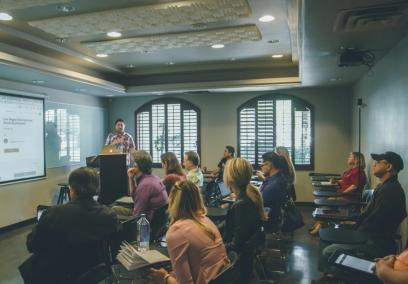
Guiding the transition from agents completing isolated tasks to fulfilling roles in complex, multi-step business processes — covering handoff protocols, role definitions, and state guarantees.


Learn from experts, connect with peers, and discover new opportunities to contribute.

Attend events to share insights, expand your network, and help shape what comes next.
Upcoming Community Events
August 2026
Upcoming Agentic AI Events
MCP Dev Summit Seoul
AGNTCon + MCPCon China
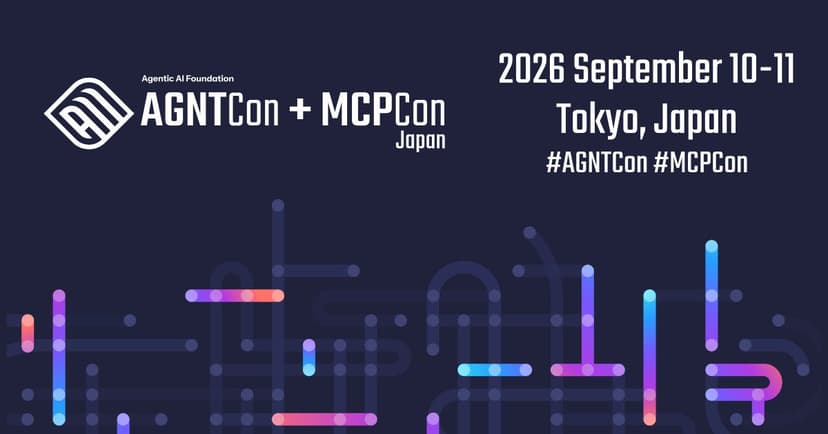
AGNTCon + MCPCon Japan
Voice Agents Forum
AGNTCon + MCPCon Europe
MCP Dev Summit Toronto
AGNTCon + MCPCon North America
MCP Dev Summit Nairobi
August 2026
Upcoming Community Events
Upcoming Agentic AI Events
MCP Dev Summit Seoul
AGNTCon + MCPCon China
AGNTCon + MCPCon Japan
Voice Agents Forum
AGNTCon + MCPCon Europe
MCP Dev Summit Toronto
AGNTCon + MCPCon North America
MCP Dev Summit Nairobi
Discover what the community is building—and how you can get involved. Contribute to AAIF projects, collaborate with others, and help shape the future of AI.
Contribute to the future of open, community-driven AI by submitting your project proposal through the official GitHub process.